English| EUR
Suggested for you
More currencies
Choose a language
Mount Etna operates year-round with consistent daily access, though altitude, weather, and volcanic activity shape when and how far visitors can climb. The park's official schedule provides a framework, but summit conditions change hourly. Knowing when gates open matters less than understanding when conditions favor safe exploration.
Quick answer
Mount Etna's park access runs 08:30–17:30 every day of the week. Entry to the lower park is free, though cable cars, guided crater treks, and 4x4 transport to higher elevations carry separate fees. Arriving between 08:30 and 10:30 helps you avoid midday crowds and secures sufficient daylight for high-altitude exploration, particularly if summit permits are available.
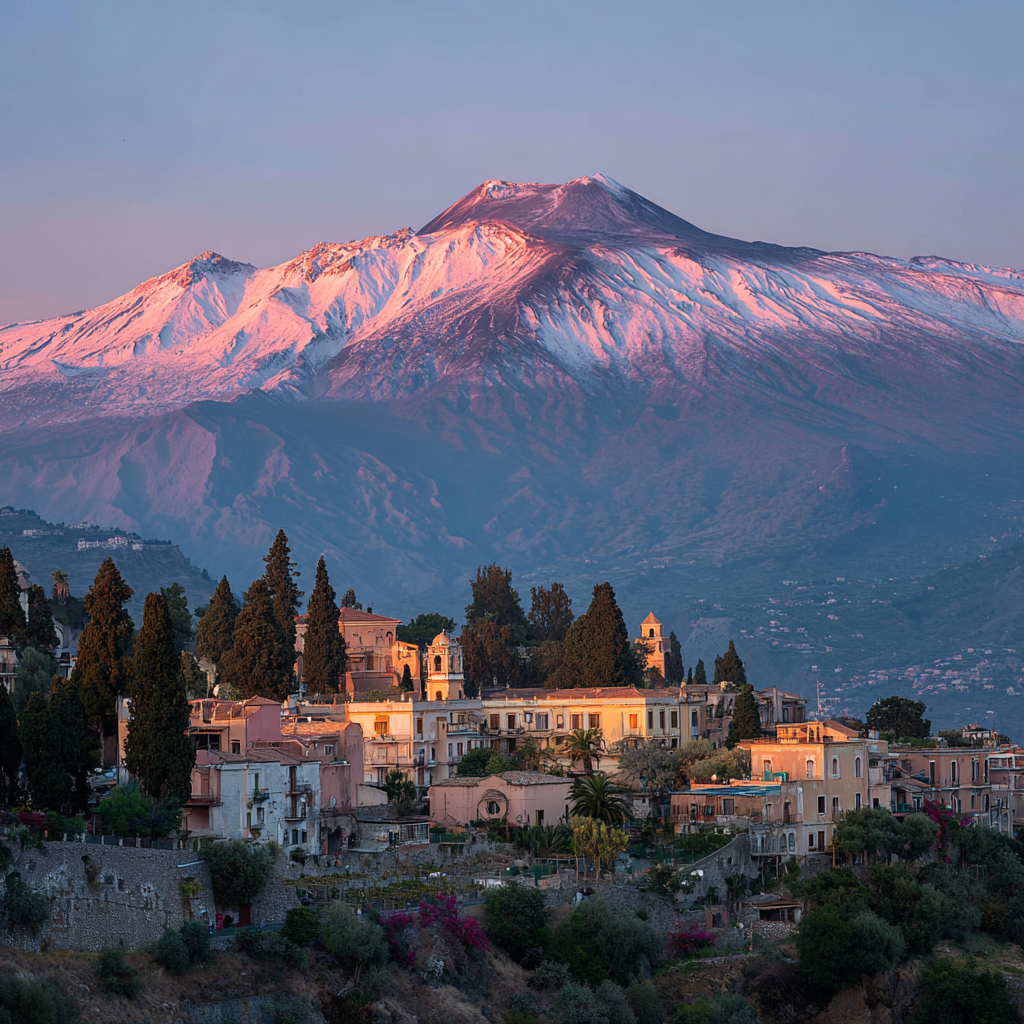
Mount Etna stands as Europe's tallest active volcano, and its 3,357-meter summit reshapes itself with every eruption. The park surrounding its slopes opens daily at 08:30, granting access to trails, visitor centers, and lower rifugio stations without charge. Transport beyond the treeline—whether by Funivia dell'Etna cable car or authorized jeep—operates within the same window but depends on real-time volcanic and meteorological assessments. The mountain's schedule appears uniform on paper, yet altitude introduces variables no timetable can predict. Morning departures maximize stable weather and minimize the afternoon winds that sweep across exposed ridges. Cloud cover typically builds after midday, obscuring craters and reducing visibility. Winter months bring snow to upper slopes, often closing routes above 2,500 meters entirely. Summer extends accessible terrain but concentrates foot traffic, particularly along the Sapienza Refuge approach on the southern flank. Parco dell'Etna headquarters in Nicolosi serves as the administrative nerve center, coordinating access restrictions when seismic activity or gas emissions require closures. The park's official site and local guide cooperatives publish real-time updates, as eruptions can shift summit access from open to restricted within hours. Visitors planning crater ascents should confirm conditions the day before departure and again upon arrival at base stations. The volcano's schedule ultimately answers to its geology, not its clocks. Practical preparation starts with layered clothing—summit temperatures drop roughly 6°C per thousand meters of elevation—and sturdy boots for volcanic scree. The park's lower zones offer botanical trails, lava caves, and historic refuges accessible to all fitness levels. Those targeting summit craters must join certified guides above 2,900 meters, a regulation enforced for safety rather than revenue. The combination of early starts, flexible plans, and respect for closure notices defines successful Etna visits far more than any posted timetable.
“The volcano's schedule ultimately answers to its geology, not its clocks.”
The Mount Etna park area remains open to visitors on a consistent daily schedule throughout the week.
The best arrival window is 08:30–10:30 to avoid mid-day crowds and ensure sufficient time for high-altitude exploration. Visiting during this period allows for a more controlled experience before the afternoon surge.
—
Reduced visitor volume facilitates quieter exploration of the trails.
Mild temperatures 10°C to 18°C
Clearer skies are common before afternoon cloud cover develops.
Cooler temperatures 8°C to 16°C
Stable weather conditions provide higher visibility for volcanic viewing.
Cold temperatures below 0°C
Snow coverage requires specialized gear and caution during high-altitude movement.
Verdict: The optimal experience occurs by arriving between 08:30–10:30 during the shoulder months of April, May, September, or October.
Mount Etna is accessible via the main road network leading to the park offices located at Via del Convento, 95030 Nicolosi CT, Italy. Most visitors approach the volcanic area by private vehicle or organized transport from nearby cities like Catania.
SP92 provincial road towards Rifugio Sapienza
AST bus line from Catania Central Station
Direct transfer from Catania city center
Follow signs for Nicolosi Nord to reach the primary access zone efficiently. Parking is available near the base facilities, but space fills rapidly, making early arrival essential for securing a spot.
Prepare for high-altitude conditions and plan your arrival during the recommended 08:30–10:30 window to avoid crowds.
Everything you need to know about etna opening hours
The park operates daily from 08:30 to 17:30, ensuring consistent access for visitors. These etna opening hours remain standard throughout the week to support various excursion plans.
There is no entrance fee to the park itself, making it accessible to all guests. Please note that transport and guided volcano excursions involve additional costs separate from general access.
We recommend arriving between 08:30 and 10:30 to avoid mid-day crowds and ensure you have enough time for high-altitude exploration. Aligning your trip with these etna opening hours helps maintain a relaxed pace.
While tour operators often coordinate with the established etna opening hours, their specific itineraries may vary. You should check your booking details to see how your chosen experience aligns with the general park schedule.
The park is accessible during the hours of 08:30–17:30 daily. It is not advisable to attempt independent exploration outside of these periods due to safety regulations and the remote nature of this UNESCO heritage site.
Volcanic activity may lead to temporary restricted zones for public safety. Visitors should monitor official communications from the park authority at https://parcoetna.it to verify if current conditions impact regular access.
Etna Tickets and Official Info
Read more Tickets & toursEtna Tours from Catania
Read more Tickets & toursEtna Tour Excursion Options
Read more Tickets & toursEtna Tours from Taormina
Read more Tickets & toursEtna Tours from Syracuse
Read more Tickets & toursEtna Tours from Palermo
Read more Tickets & toursEtna Wine Tours
Read more